Empowering legal teams
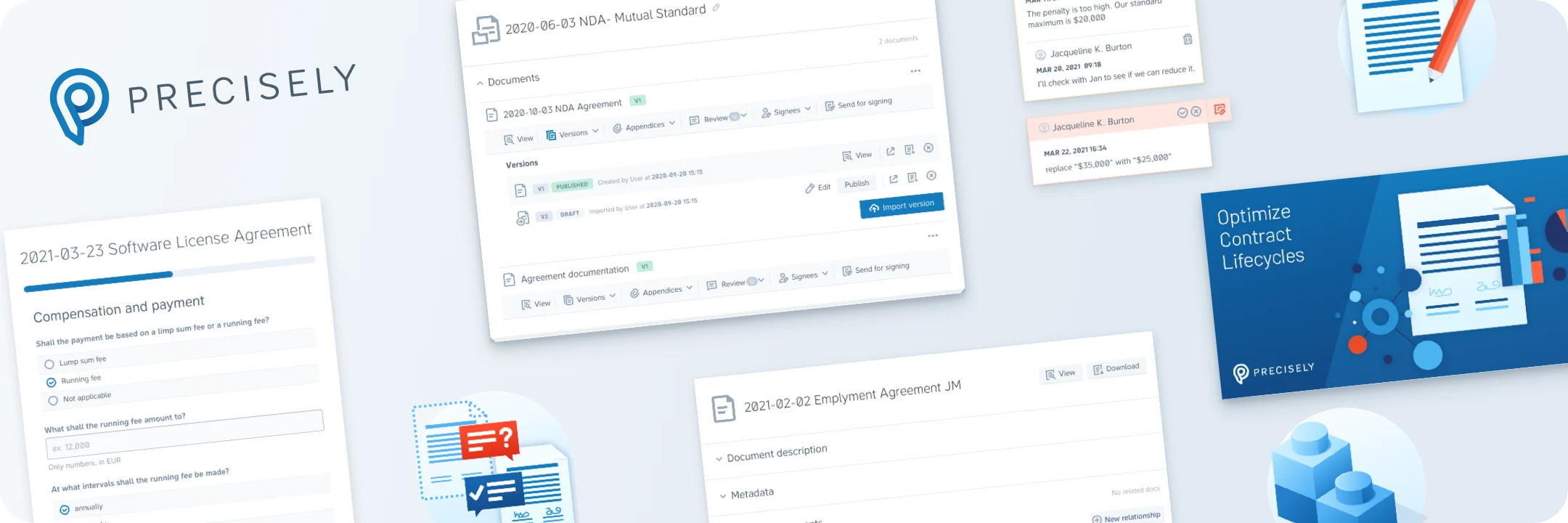
Precisely is a contract management platform that lets legal teams and small companies draft, negotiate, sign and manage their contracts. I joined just in time to shape Precisely’s UX and brand strategies.
Design was an early priority at Precisely: a designer was one of its first four hires. I was brought in to define the design and UX strategy, from the logo to individual product features.
Year
2017-2021
Employer
Precisely AB, Sweden
Title
UX & Design Lead
Engagement
In-house
Role
- UX Research
- Wireframing
- Testing
- Visual design
- Design System management
- Branding
- Marketing & Web design
Product features
The brief
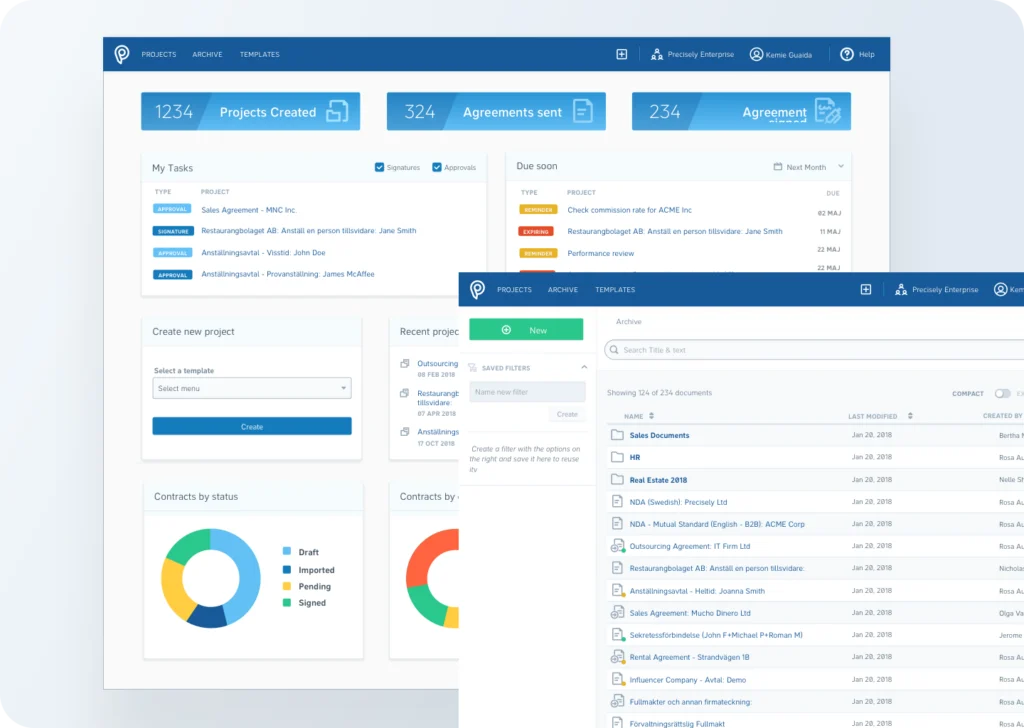
One of my main responsibilities was to design and prototype product features that matched what users and organisations needed, so the platform could compete with established players, while making contract management more user-friendly and efficient.
What the product needed
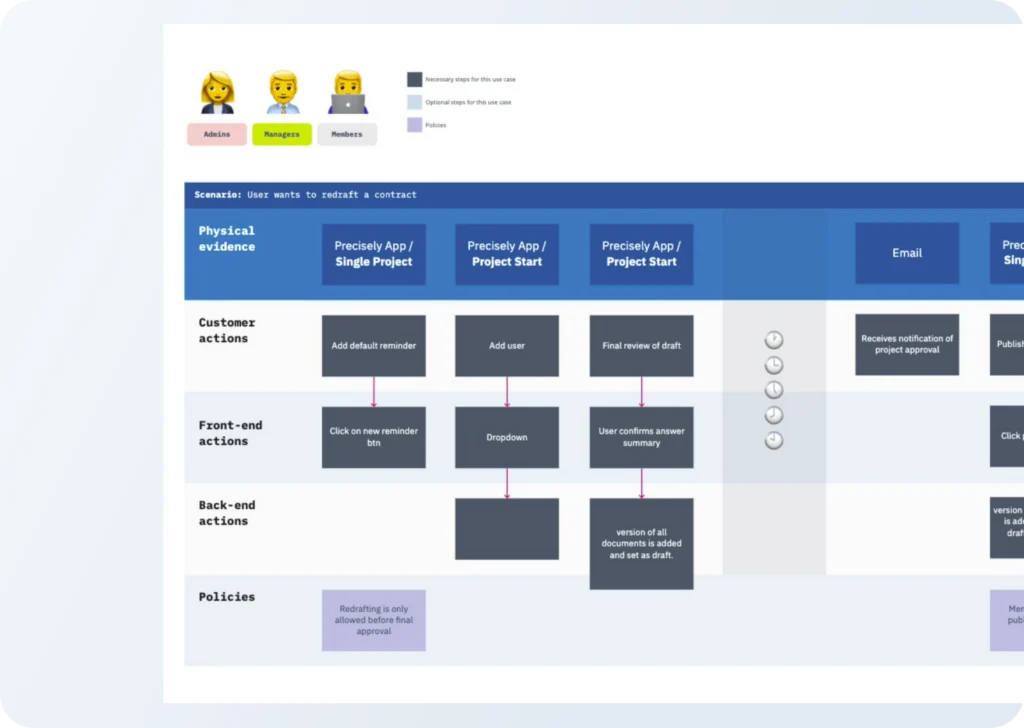
Precisely is a very complex system: templating, drafting, reviewing, signing and managing contracts, for many types of user, from legal team members to signees. The UI had to be understandable for every role and show only what each needed.
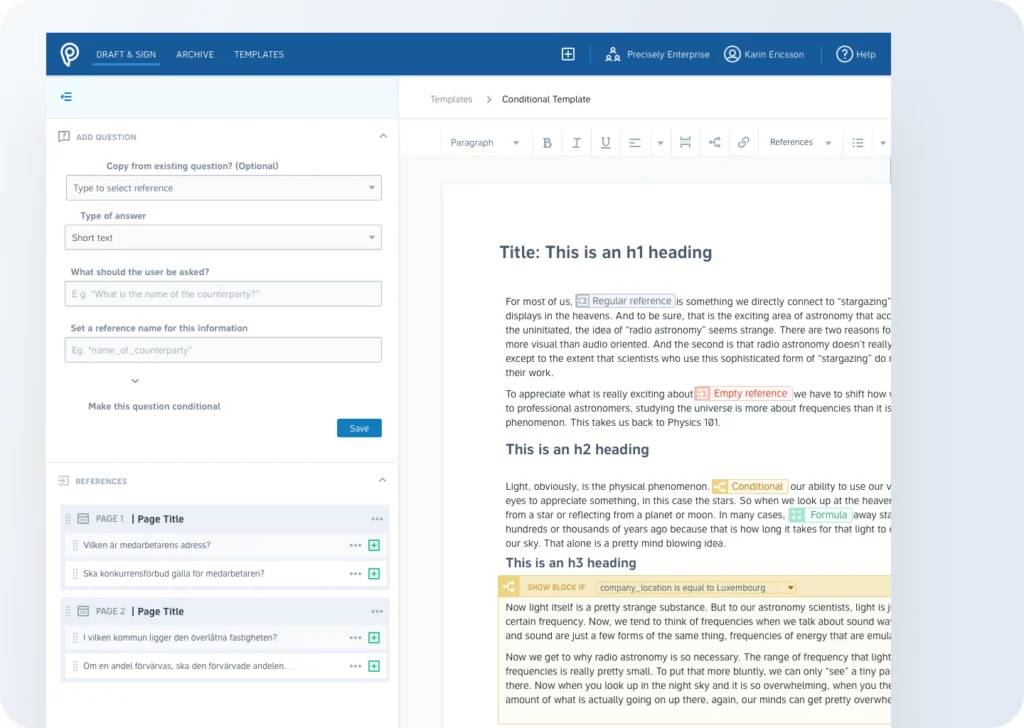
To fit the market we had to add a lot: negotiations, formulas, contract generation with conditional clauses, reminders, AI import of existing contracts and complex user role management, and integrate it all into an already complex system.
How we worked
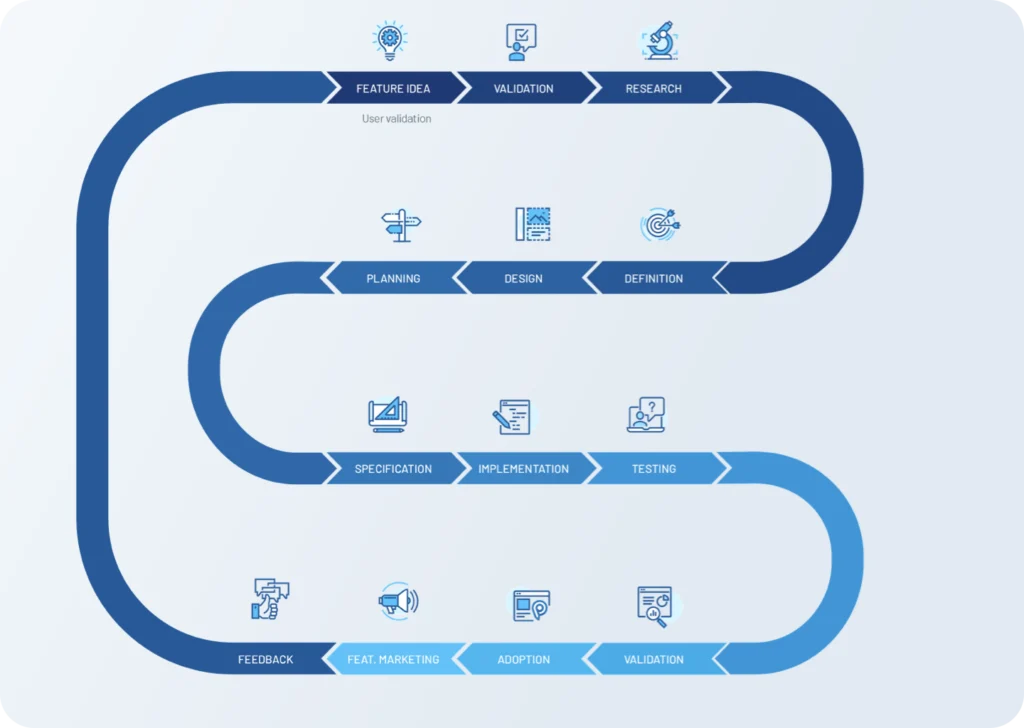
I was an integral part of the product team, planning, ideating and implementing features. We worked on a dual-track agile model, where features were ideated and designed in one track and implemented and released in another. The usual process followed these steps:
- Discovery and brainstorming
- Wireframing
- Testing
- Iteration
- Visual design
- Documentation and handoff
- Feedback and ideation
What it led to
The new features landed important clients and gave the product a good market fit. Key performance indicators such as user retention and task completion rates improved, and the company went on to raise a further round of funding.
Design system
Why a design system
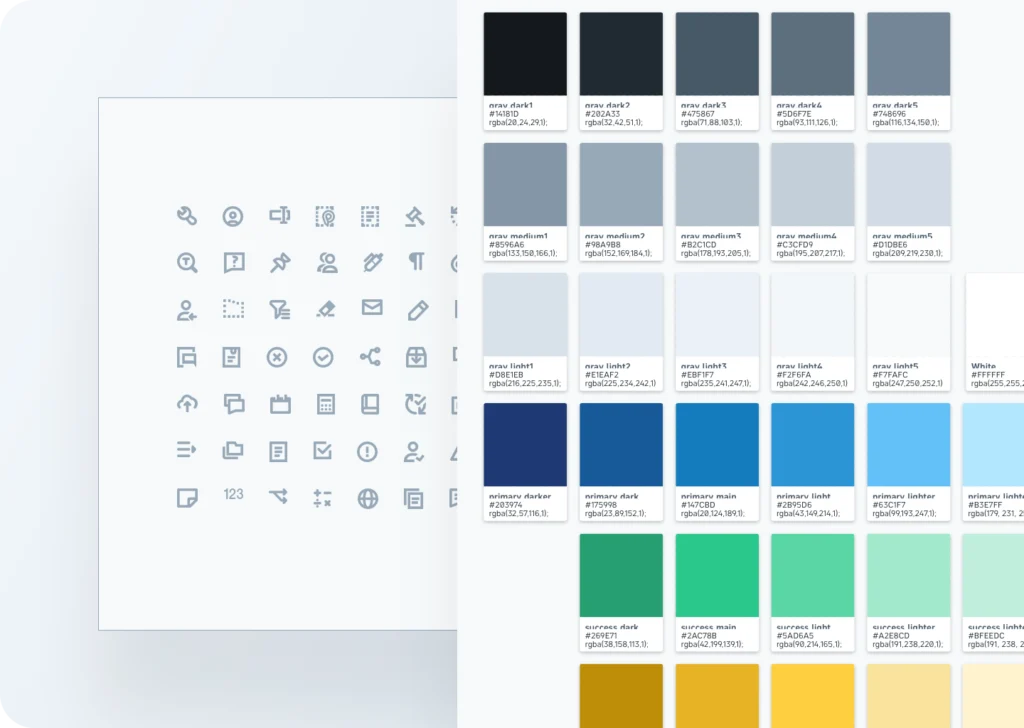
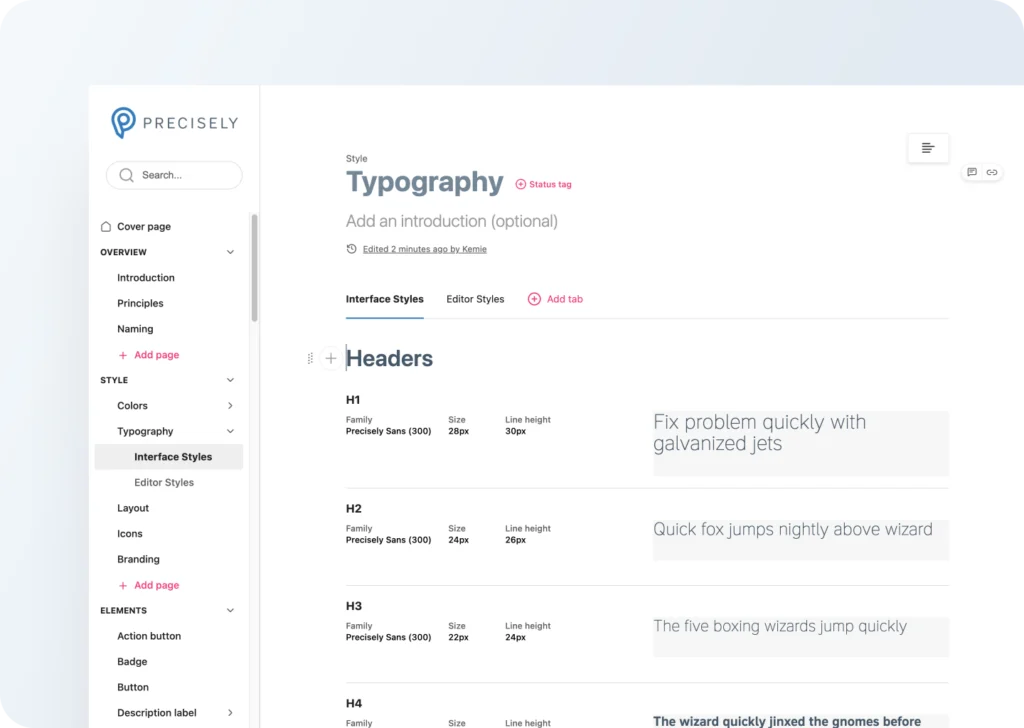
To keep our design work sustainable and efficient, I established and maintained a scalable design system of reusable components. It let the team work together while keeping the platform consistent.
Where we started
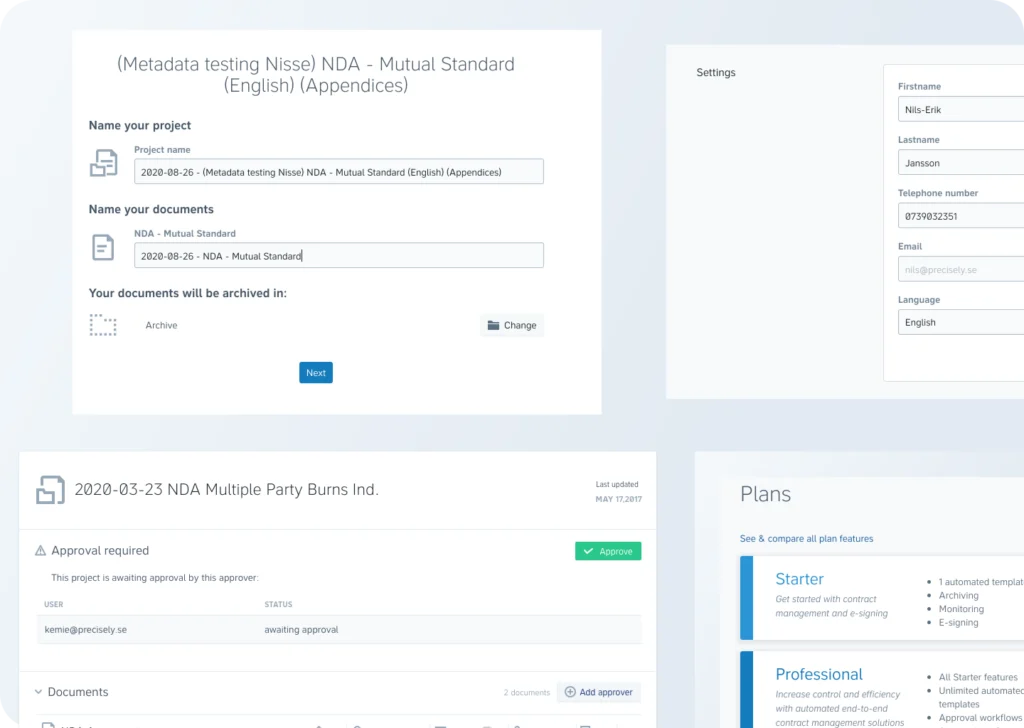
When I came into Precisely, the UI was a mixture of stock framework components and custom-made elements. It looked bland and inconsistent and did not match the brand. Developers had a hard time choosing the right way to implement a design from the options available.
What I did
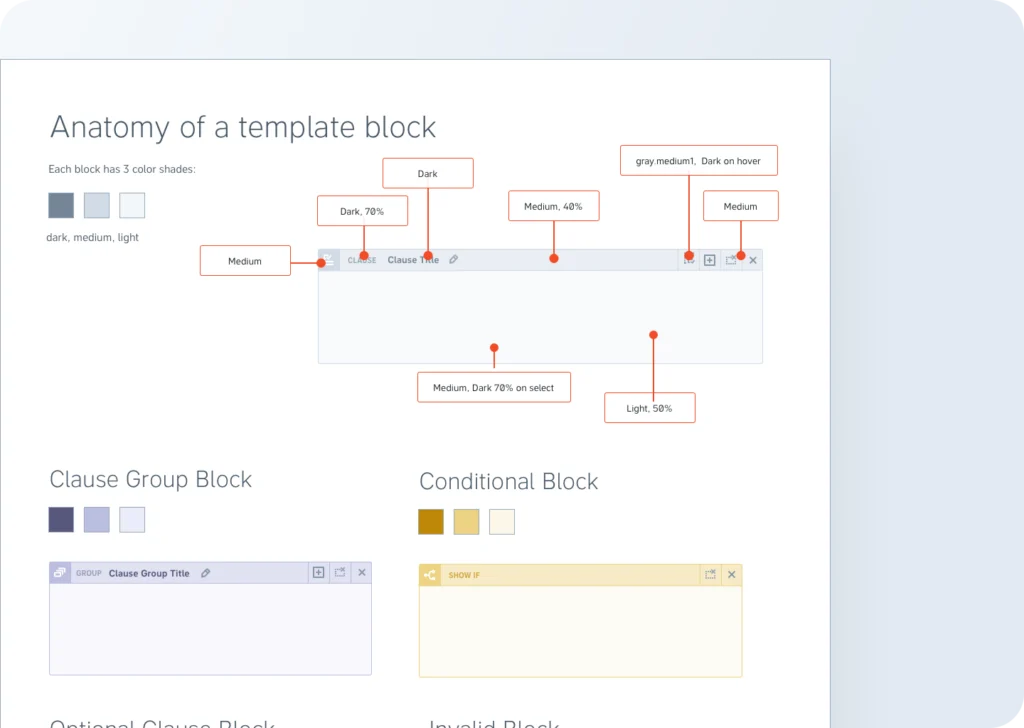
I made a catalogue of the components in use and, together with the developers, redesigned them to be consistent, usable and good-looking. I created a Sketch symbol library, linked to the code documentation through Storybook.
What it gave the team
The design system reduced design and development time significantly and increased collaboration between design and development. It made the platform more consistent and polished, with fewer design inconsistencies, which meant faster feature rollouts and easier onboarding for new team members.
Brand
Why a brand strategy
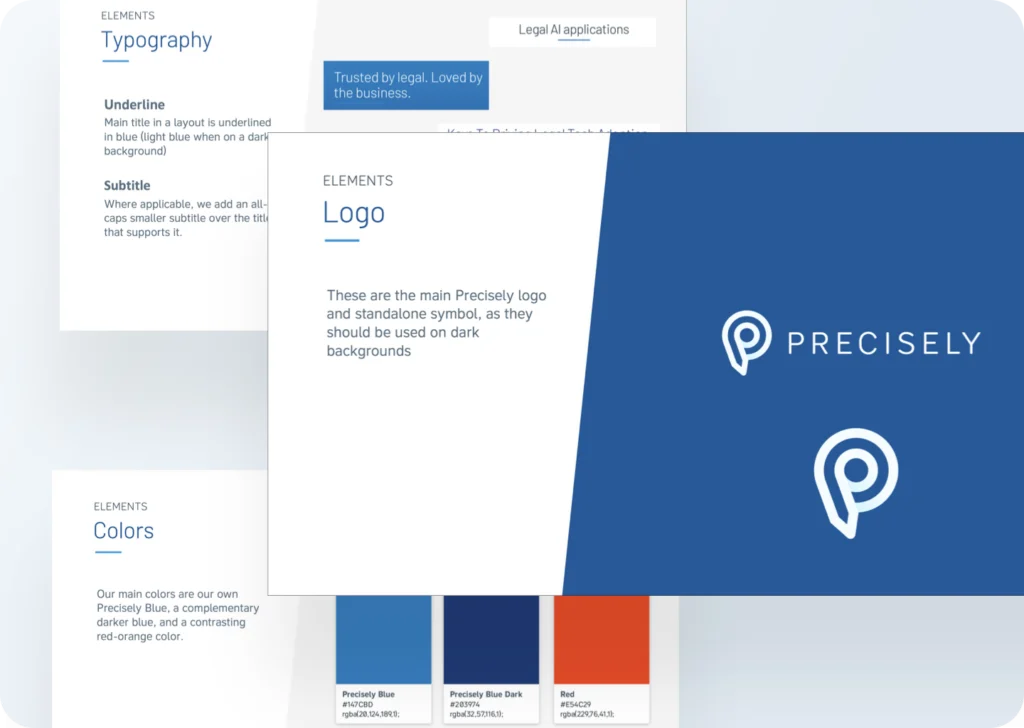
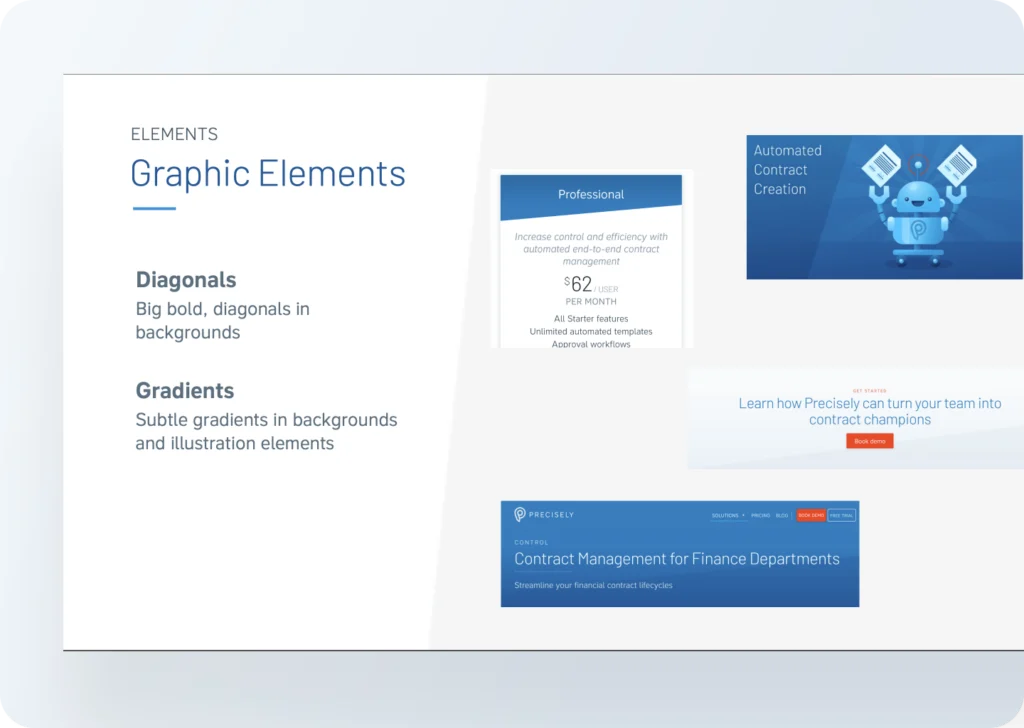
I led the development and implementation of a visual brand strategy and guidelines for Precisely: a unified design language that matched the company’s core values and kept the brand consistent across every touchpoint.
Where we started
When I came into Precisely there was little branding beyond a logo and colours, and even those were used inconsistently. As the company grew, the challenge was not only a growing need for visual material, but working out what our brand meant and how to express it in a fast-changing landscape.
What I did
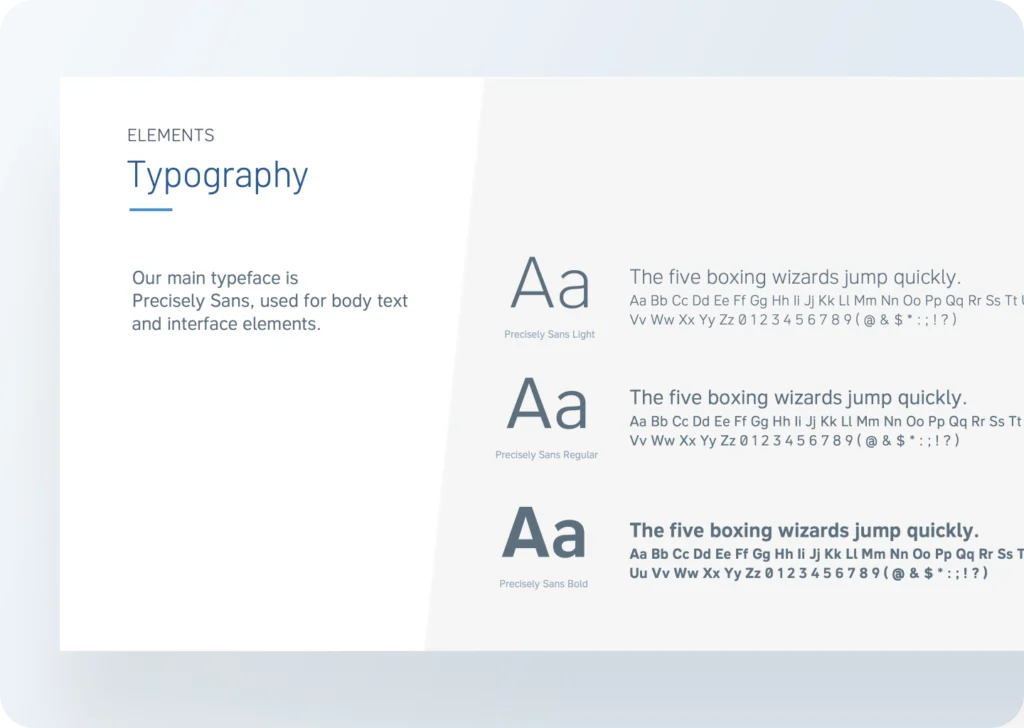
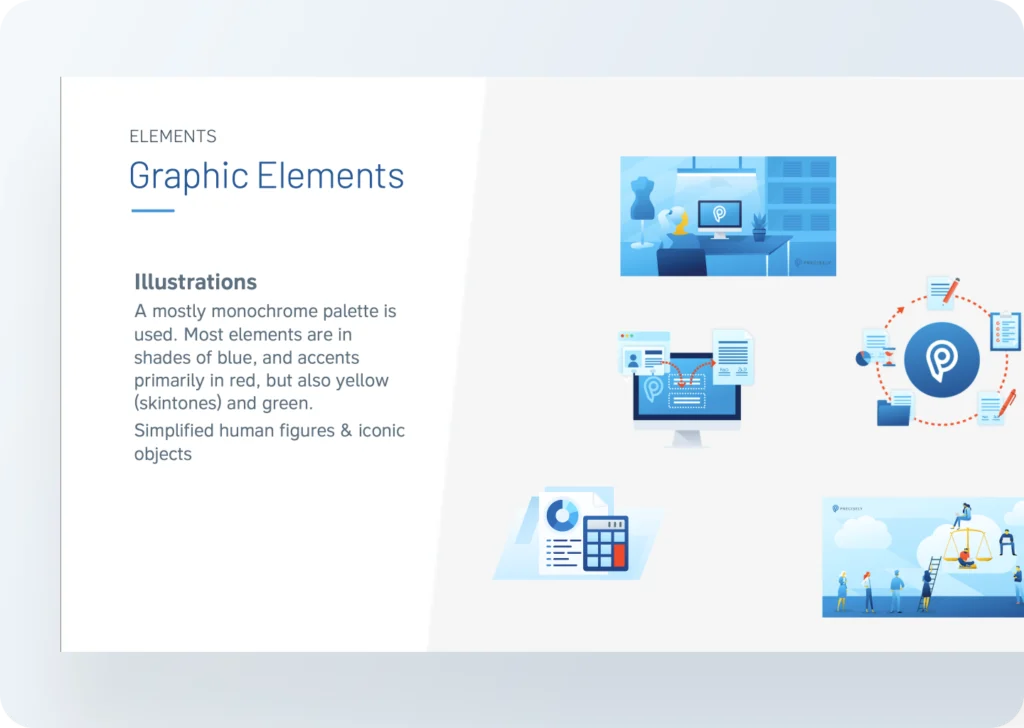
I created brand guidelines covering logotypes, colours, fonts and illustration styles, and a custom typeface, Precisely Sans. Towards the end of my time there the company had evolved to the point where it needed redefining, and I led the rebrand.
What it gave the company
The brand strategy strengthened Precisely’s identity and simplified design decisions for the team. It led to a cohesive, memorable brand, increased brand recognition and improved user trust in the platform.
Marketing
The brief
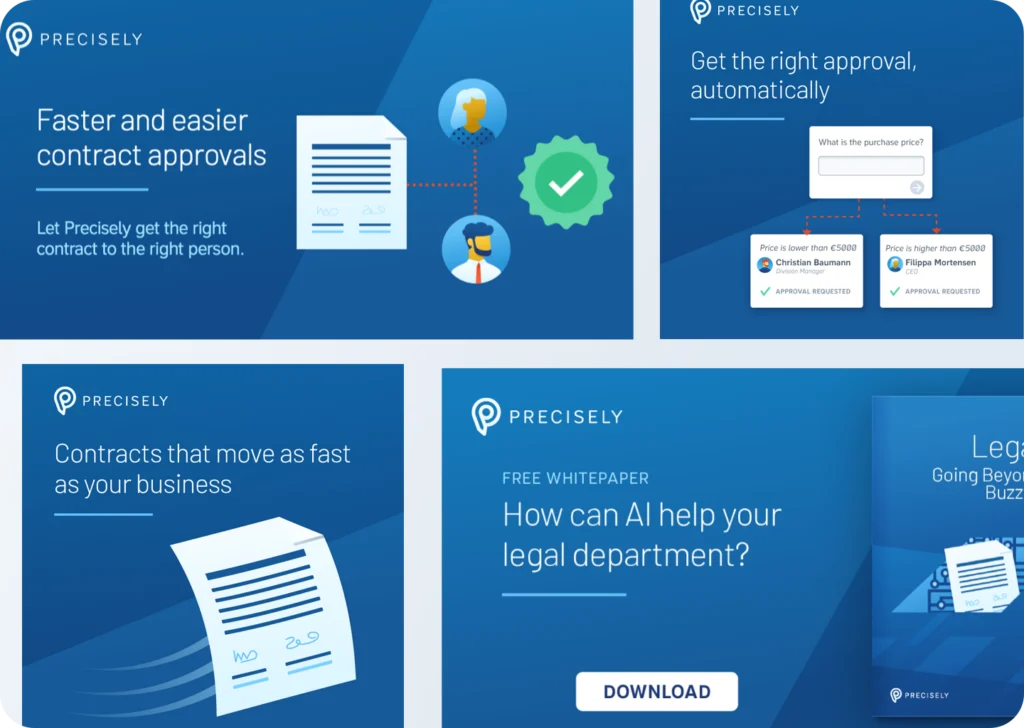
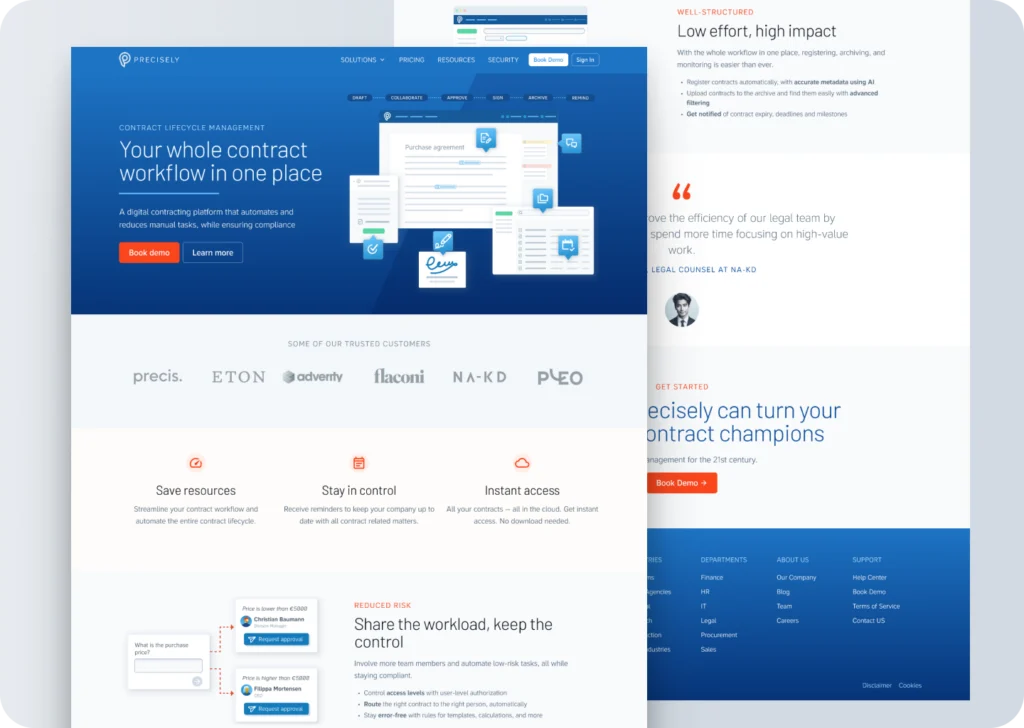
Besides product design, I produced marketing materials and assets to support Precisely’s growth: marketing collateral, website elements and promotional content.
What it led to
The materials supported the company’s growth and attracted more potential clients and partners. Visual assets that explained complex subjects simply contributed to a higher conversion rate on the website and played a significant role in Precisely’s expansion.
Over four years
- From a handful of people to about 20, and from an early product to a large one
- New functionality landed important clients
- The company raised funding
- My role grew from reporting to the CEO to leading a second designer and reporting to the head of product
In an early-stage company it is hard to tie a single feature to revenue, so I do not claim numbers. This is what the product did and what the company did next.
Lessons learned
Work at Precisely was fast-paced and constantly changing, which gave me opportunities to keep learning and growing.
I was fortunate to have a team where I was allowed to set the groundwork for a successful product and brand design strategy.
Interested in a project like this?
Tell me about yours, or keep looking through my work.